As the global energy landscape shifts rapidly towards decarbonization, hydrogen has emerged as a cornerstone of the green energy revolution. From fuel cell vehicles (FCVs) to large-scale chemical manufacturing and green energy storage, the demand for efficient, reliable, and safe H2 handling is at an all-time high. Central to this infrastructure is the hydrogen gas compressor—a critical piece of equipment that ensures volatile hydrogen gas is pressurized, stored, and transported safely. In this article, we explore the latest breakthroughs in H2 compression technology, essential E-E-A-T (Experience, Expertise, Authoritativeness, and Trustworthiness) safety standards, and real-world industrial applications.
Why High-Quality H2 Compression is Crucial
Hydrogen is the lightest element on earth, possessing a highly penetrative nature and low volumetric energy density. To make hydrogen storage and transportation economically viable, it must be compressed to extremely high pressures—often ranging from 35 MPa to 70 MPa for mobility applications. Using standard industrial compressors is not an option. Specialized oil-free hydrogen compressors, diaphragm compressors, and reciprocating piston gas boosters are required to maintain gas purity and prevent hazardous leaks.
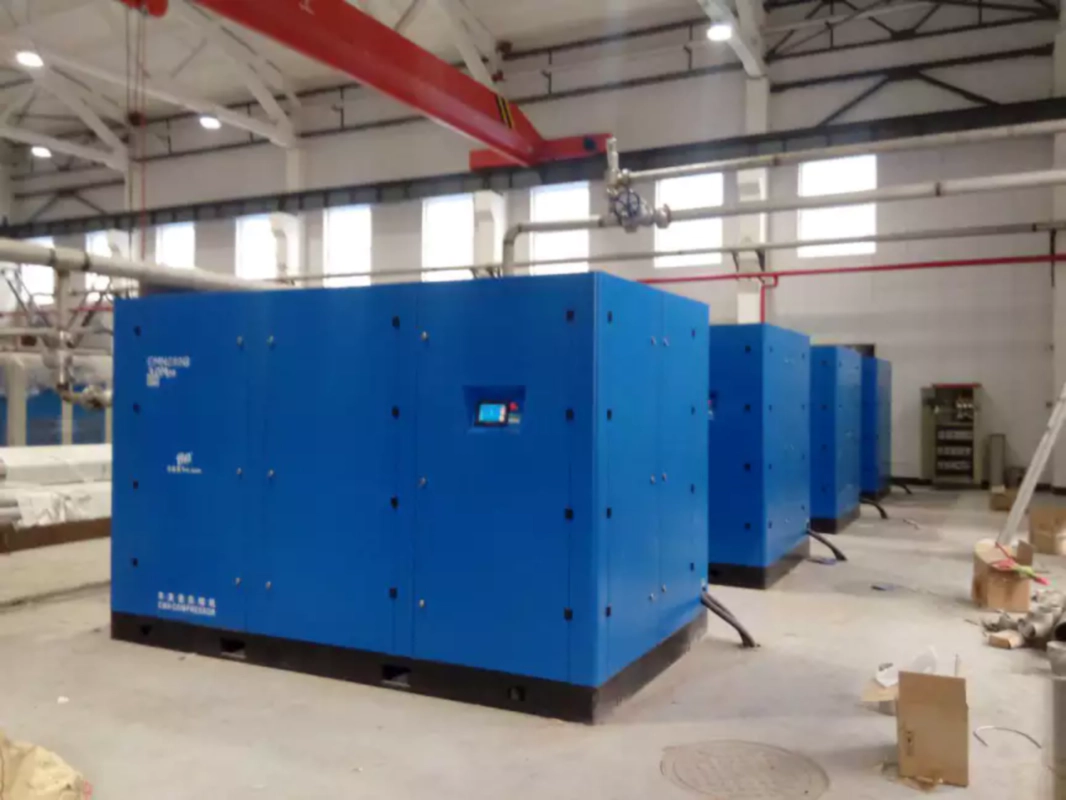
Moreover, the noise pollution generated by heavy industrial machinery is a growing concern for modern facilities. This is where advanced acoustic engineering comes into play. For operations requiring minimal noise disruption without sacrificing power, investing in advanced hydrogen compressor systems is a strategic necessity. These cutting-edge units combine ultra-quiet operation with uncompromising high-pressure capabilities, ensuring peak performance and facility safety.
Key Technologies in Modern Hydrogen Gas Boosters
Oil-Free Compression
Zero contamination is vital for fuel cell integrity. Modern hermetically sealed H2 compressors operate completely oil-free, guaranteeing 99.999% gas purity—a strict requirement for automotive fuel cells and high-tech semiconductor manufacturing.
Advanced Leak Detection
Safety cannot be compromised. State-of-the-art hydrogen boosters are equipped with multi-stage dynamic sealing technologies and real-time electronic leak monitoring sensors, adhering to rigorous ATEX and ISO safety standards.
Intelligent Cooling
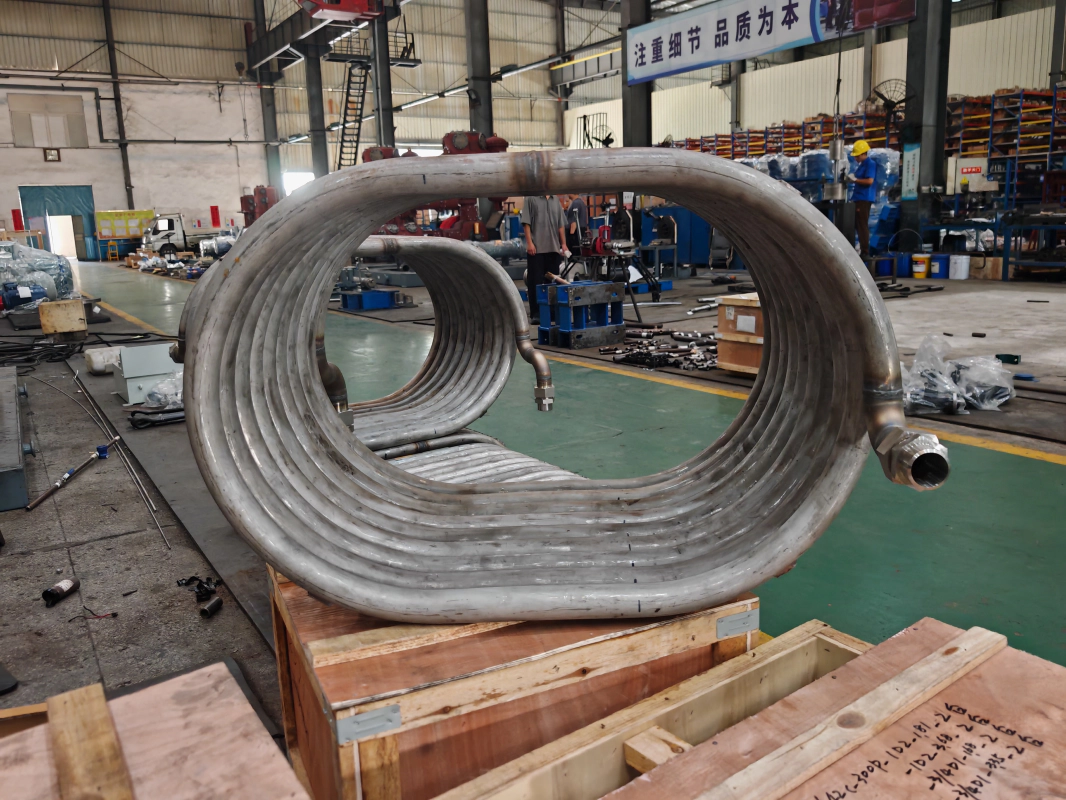
Compressing hydrogen generates immense thermal energy. Utilizing advanced inter-stage water cooling and smart thermodynamic management systems ensures the equipment operates within optimal temperature ranges, prolonging the lifespan of wear parts.
Global Success Stories: Real Client Experiences
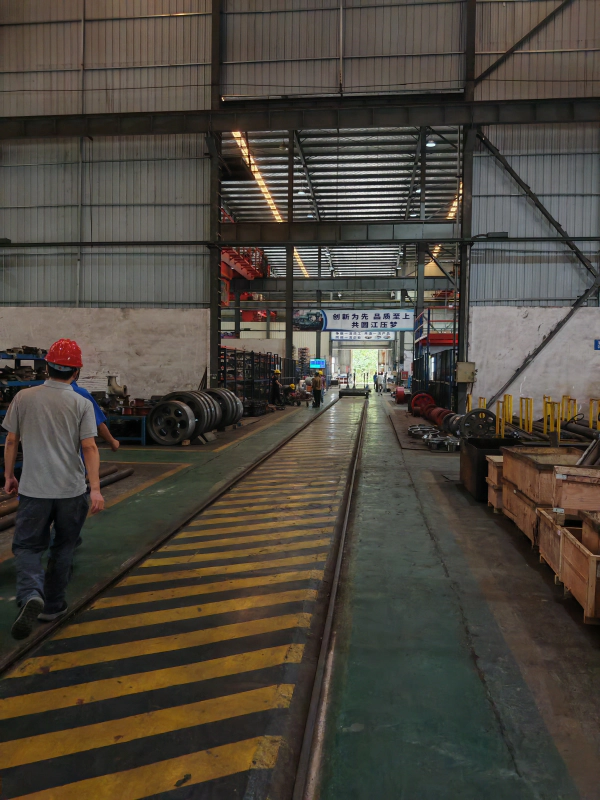
Trust is built on proven performance. Our customized hydrogen compression solutions have been successfully deployed worldwide, accelerating clean energy initiatives across multiple industrial sectors. Below are verified reviews from our international partners regarding their procurement and application experiences.
🌍 Germany
Purpose: Hydrogen Refueling Station (HRS)
“The reliability of these H2 compression systems has drastically reduced our operational downtime. The 70MPa booster unit integrated seamlessly into our refueling infrastructure. The oil-free design ensures we meet the stringent fuel purity regulations required for local commercial transport fleets. Outstanding engineering.”
🌍 South Korea
Purpose: Fuel Cell Manufacturing Facility
“We were specifically looking for a low-noise, high-efficiency solution for our indoor R&D and manufacturing plant. The ultra-quiet features combined with excellent vibration control exceeded our expectations. The safety interlocking system gives our operators complete peace of mind during high-pressure testing cycles.”
🌍 Canada
Purpose: Green Hydrogen Storage
“Handling large volumes of green hydrogen from our electrolysis plant required robust and scalable compression technology. The custom diaphragm compressor we procured has shown incredible durability under continuous heavy-duty use. Excellent post-sales technical support and maintenance guidance. Highly recommend for large-scale energy projects.”
Optimizing the Total Cost of Ownership (TCO)
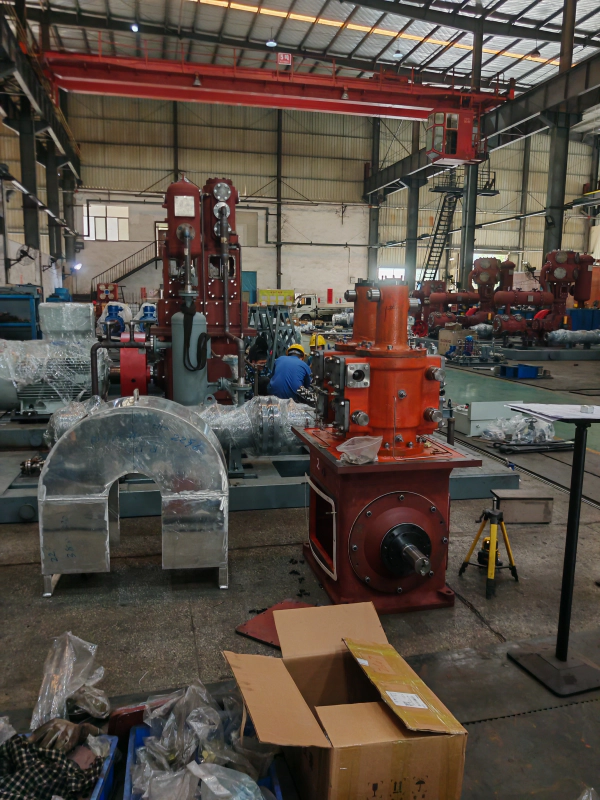
When selecting industrial H2 compression equipment, smart buyers look beyond the initial capital expenditure. The Total Cost of Ownership (TCO) is heavily influenced by energy consumption rates, maintenance frequency, and the lifespan of critical components like diaphragms and piston rings.
By leveraging advanced metallurgy and predictive maintenance algorithms, our compressors maximize mean time between failures (MTBF). If you are looking to upgrade your facility, we highly recommend that you reach out to our technical team to request a customized TCO analysis based on your specific gas flow rates and discharge pressure requirements.
Partner with Us for Future-Ready Energy Solutions
The transition to a hydrogen-based economy is accelerating, and securing a reliable supply chain for essential infrastructure equipment is more critical than ever. Whether you are building a commercial hydrogen refueling network, upgrading a chemical processing plant, or developing next-generation fuel cell technologies, you need a partner who understands the complexities of H2 compression.
💬 Contact Us for Collaboration
Get a tailored engineering quote and explore B2B partnership opportunities today.